




This article should not be used as a substitute to a visit to your primary care provider and is a tool to provide information. In the case of an emergency or if you are experiencing symptoms of an incomplete abortion, call your prescribing physician or 911 right away.
What is an incomplete abortion?
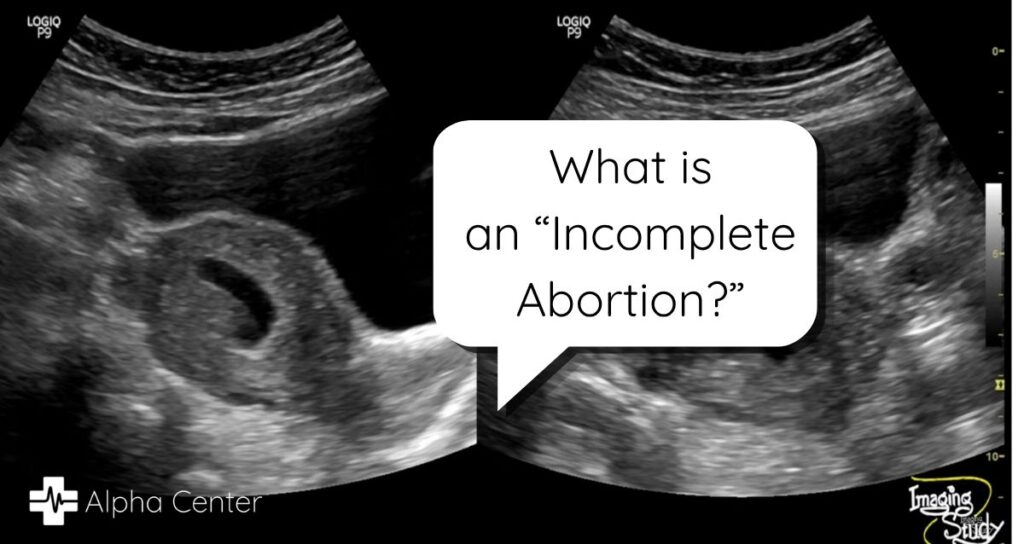
Incomplete abortion occurs when a pregnancy has ended either through the abortion pill or a miscarriage, and pregnancy tissue (such as the fetus, placenta, or other tissue) is left in the uterus.
This is different from a failed abortion, when the abortion medication or procedure was ineffective at terminating the pregnancy and the embryo or fetus is alive and the pregnancy continues.
In this article, we will focus more on the warning signs to look out for in the case of an incomplete abortion following a medication or surgical abortion.
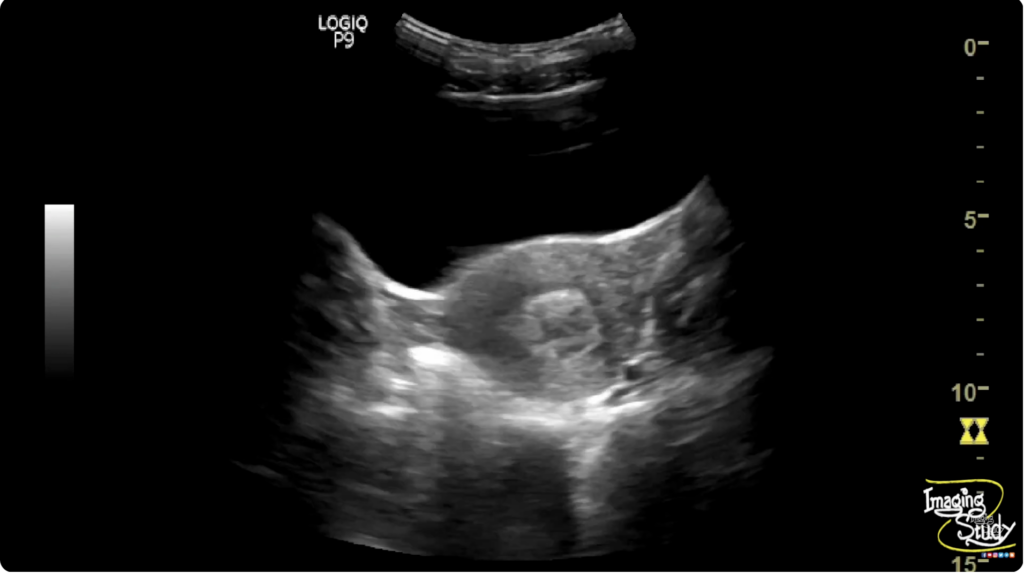
The medication guide for Mifeprex recommends that patients should follow up with their provider between 7-14 days after they have taken mifeprex to confirm that the termination of pregnancy has occurred and check on the level of bleeding that the patient has experienced. At this appointment, your provider may also perform a pregnancy test to evaluate the level of hCG that remains in the bloodstream, and perform an ultrasound to check whether or not any tissue remains in the uterus.
Does an incomplete abortion mean that I am still pregnant?
No. An incomplete abortion does not mean that you are still pregnant – rather that there is pregnancy tissue still remaining in your uterus after taking the abortion pill protocol or undergoing a surgical abortion.
How Common is an Incomplete Abortion?
The rate of incomplete abortions after taking the abortion pill increases with gestational age and occurs in between 3.4-7.9% of medication abortions, although it’s difficult to say what the exact percentage is as many incomplete abortions are not reported as such and are reported as miscarriage instead.
In one study of hospital records, women required surgical care following their medication abortion for retained products of conception 13% of the time.
Misoprosol suppresses the immune system, which means that if tissue is retained you are predisposed to infection. If you suspect that your abortion or miscarriage is incomplete, seek medical help immediately. Retained pregnancy tissue can lead to infection and/or sepsis.
IMPORTANT! It is not illegal to seek treatment for medication abortion complications or miscarriage management anywhere in the United States. Seek help immediately if you experience the symptoms below and tell your provider that you took medication abortion.
What are the signs of an incomplete abortion?
Symptoms of an incomplete abortion can include (but are not limited to):
- Lower abdominal and pelvic pain continuing beyond the expected duration of the abortion
- Moderate to severe vaginal bleeding continuing beyond the expected duration of the abortion
- No bleeding at all
- Fever
- Foul-smelling vaginal discharge
- Pain or tenderness in the uterine area
If you are experiencing symptoms of an incomplete abortion, seek medical attention right away as an untreated incomplete abortion can lead to severe bleeding or infection.
The pattern of your discomfort matters: pain that is easing is different from pain that keeps intensifying. Contact your provider if pain or bleeding is not improving within a few days, or if you still feel pregnant after about a week. These changes need review, even when infection is not the cause.
How do I know if my abortion is complete?
An abortion has been completed when the uterus has been completely emptied and you are no longer pregnant. Cramping and bleeding will last for a few days and up to a few weeks but should lessen over time and completely stop after a few weeks. You should no longer experience the side effects of the abortion pill. If you continue to experience pain or bleeding, seek medical attention right away.
How is Incomplete Abortion Treated?
Incomplete abortion can be treated (or managed) expectantly (wait and see), medically (with another dose of misoprostol), or surgically (with a D&C). Treatment depends on your individual situation, symptoms, and your doctor’s judgment.
Seek immediate medical attention if:
- You have been bleeding enough to soak 2 pads per hour for 2 or more consecutive hours
- Dizziness
- Lightheadedness
- Fever: a temperature of 100.4 or higher, especially if it persists or appears after the initial cramping has subsided
- Pain not relieved by medication or worsening
- Ongoing illness such as flu-like symptoms, weakness, nausea, vomiting, or diarrhea lasted beyond the expected recovery period.
- Unusual discharge: Vaginal discharge with a strong, unpleasant smell.
Do not wait for every symptom to appear before seeking medical attention. The Mifeprex medication guide warns that serious illness can occur without fever. Feeling sick or having abdominal discomfort for more than 24 hours after taking misoprostol warrants contacting a healthcare provider immediately.
It is important to let your doctor know that you took the abortion pill, and it is not illegal to seek treatment, no matter what state you are in.
What is the difference between Inevitable Abortion and Incomplete Abortion?
An inevitable abortion/miscarriage is a subtype of a miscarriage and occurs in 15-20% of pregnancies. An inevitable miscarriage/abortion is the beginning process of passing a non-viable pregnancy and is irreversible as the cervix has dilated and bleeding has started. It is not the same as an incomplete abortion but may require similar measures to complete the emptying of the uterus if the woman’s body doesn’t complete the process on its own.
Incomplete abortion is when an abortion medication has been taken or surgical procedure undertaken in an effort to end the pregnancy. When products of conception are left behind or remain, this is an incomplete abortion.
What to Know Before Taking Medication Abortion
To limit the risk of complications or risk to future pregnancies, before taking the abortion pills it is recommended that you make sure that your pregnancy is not ectopic, whether or not the pregnancy is viable, and no IUD is in place. You should also know how far along you are in the pregnancy. Scheduling a Pre-Abortion Screening at Alpha Center will help you learn the answers to these questions for free.
Sources:
FDA. Questions and Answers on Mifepristone for Medical Termination of Pregnancy Through Ten Weeks Gestation (April 2026)
FDA. Highlights of Prescribing Information of Mifeprex(January 2023)
National Library of Medicine. Incomplete Miscarriage (February 2024)
World Health Organization. Incomplete abortion management: Recommendations 35-38 (3.5.2) (2023)
NHS. Recovery after Abortion (December 2024)
Obstetrics & Gynecology. Efficacy of Misoprostol Alone for First-Trimester Medical Abortion: A Systematic Review (December 2018)
BMJ. Comparison of rates of adverse events in adolescent and adult women undergoing medical abortion: population register based study (April 2011)
Imaging Study. Imaging Study on Youtube – Incomplete Abortion (2021)
FAQ regarding incomplete abortion
What is the Abortion Pill Called?
A medication abortion (sometimes called a chemical abortion, abortion by post, “missed period pill” or RU-486) is a medication regimen that typically consists of two medications, named Mifepristone and Misoprostol. Sometimes, only misoprostol will be given.
How does a Medication Abortion Work?
Mifepristone, a medication that blocks progesterone (a pregnancy sustaining hormone) from reaching the uterus and causing the pregnancy to end. Then, 24 to 48 hours later, women will take misoprostol either orally or vaginally. Misoprostol is a medication that causes contractions to expel the pregnancy.
Follow-up with your provider is recommended following medication abortion (or for a miscarriage) 10-14 days following the abortion to ensure that no tissue is left behind, which could lead to serious infection.
What is the “Cut off” for Medication Abortion?
The Abortion Pill is used to end early pregnancies, with initial use recommended for 7 weeks or less. In 2019, this was extended to 10 weeks gestation. The more advanced a pregnancy, the greater the risk of complications.
Does an Incomplete Abortion Mean the Baby is still Alive?
No, incomplete abortion refers to retained tissue in the uterus after the end of a pregnancy. In the case of a failed abortion, a pregnancy continues , which means that the pill or surgical procedure was not successful in ending the pregnancy.
Authored by Kristen Long for Alpha Center and reviewed for medical accuracy by Meghan Downing, RN, Nurse Manager.


